









Our values

It's not you.
It's the colors.

Six beliefs decide what Coloris builds, says, and will never do.

The honest tension

We make an appearance app, and we won’t pretend otherwise.

Caring how you look, playing with color and style, wanting to feel good in a photo: all of it is normal and healthy. Harm starts somewhere specific. It starts with scores, with comparison, with treating a face as a list of problems, and with tying what someone is worth to how they look. That is the line we hold, in every screen, every notification and every ad.

You're the constant. Style is the variable.

A recommendation changes something outside you. The person is never the thing being fixed.

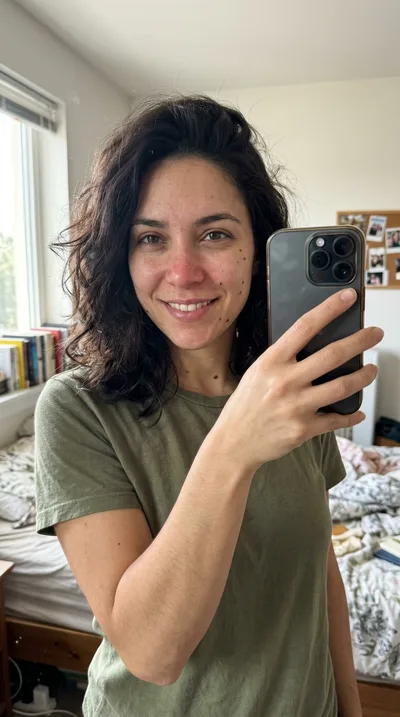
Every try-on in Coloris carries the same instruction to the model: change what she is wearing, and nothing else. Not her face, her body, her skin tone, her age or her features. When the clothes do the work, the benefit is about the clothes: this shade brings out your eyes. Never this shade hides something.

We won’t

  • Retouch, smooth or slim a face or a body
  • Change a skin tone, an age or a feature in a try-on
  • Show a before and after of a person
Dusty rose
Slate blue
Sage
The same photo three times. Only the top changes.

No scores on people.

A number from a computer feels objective. That is exactly why we don’t give one.

We never rate, rank, percentile or compare a face, against other people, an ideal, or a past you. The only number in the app is about the photo: whether the light and the framing give the reading enough to go on. It says so, every time.

We won’t

  • Attractiveness or harmony scores
  • Symmetry readouts or "Top 8%"
  • Leaderboards or shareable ratings
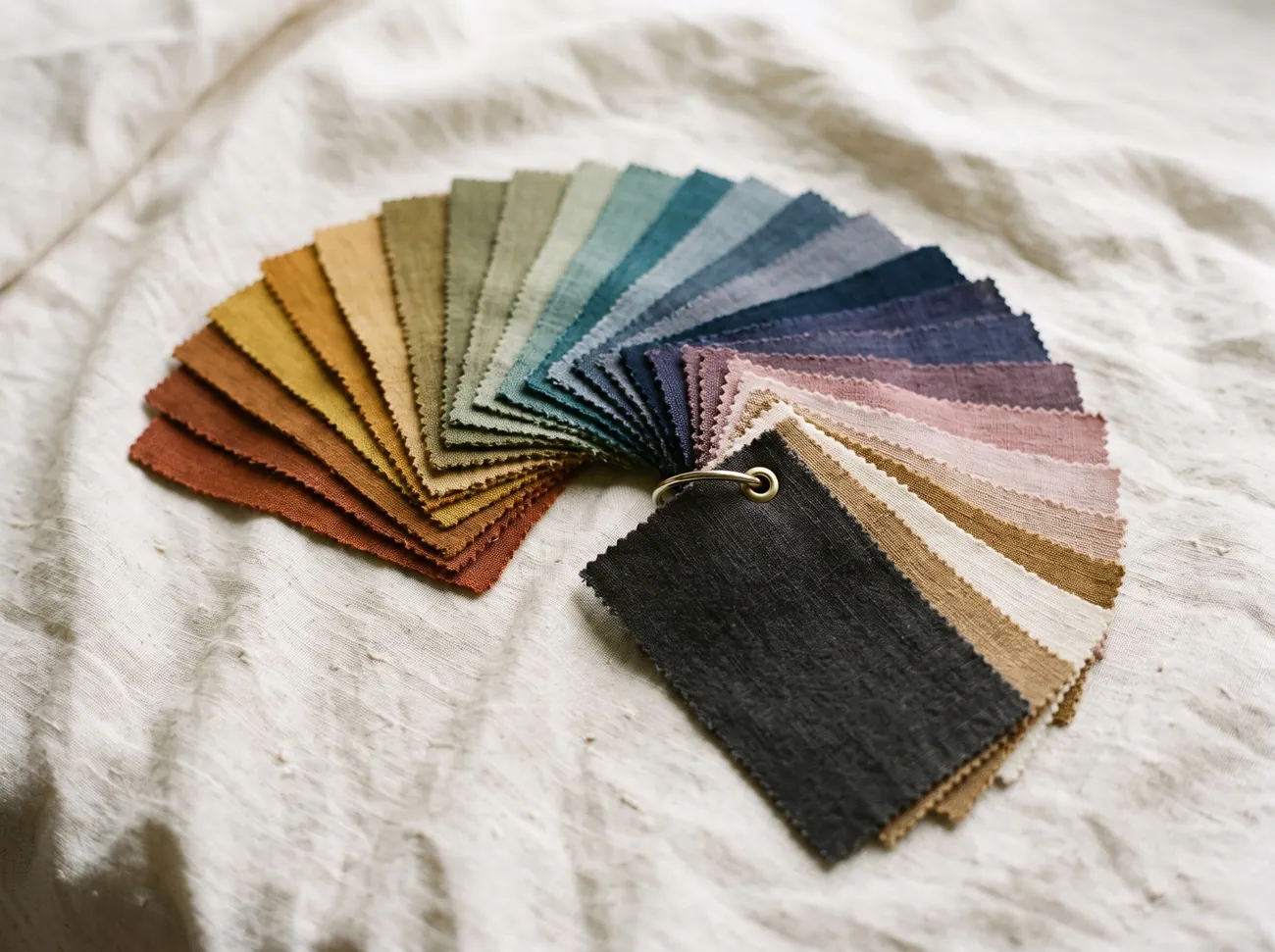
An open fabric swatch fan deck spread across linen, warm shades to cool, no labels.
Colors, and why they work. No numbers.

Describe, don't diagnose.

Talk about a face the way a warm, good stylist does. Not the way a surgeon or a forum does.

A reading says what it sees in plain words: your face is oval, with soft, rounded cheeks. It never reaches for clinical language, and it never uses the verbs that turn a feature into a flaw.

We won’t

  • Fix, correct, hide, minimize
  • Slim, balance out, disguise
  • Symmetry, proportions as a problem
  • We say: Your best colorsNot: Colors that correct your skin
  • We say: Wear it further from your faceNot: Avoid
  • We say: Frames your faceNot: Slims your face
  • We say: Your face shape is ovalNot: Ideal, perfect, symmetrical
  • We say: Photo qualityNot: Aura score, rating, top X%

Expand options, never shrink them.

There are no wrong colors. Some just belong further from your face.

A result should leave you with more ways to look good, not a list of rules. A color that is not one of yours near your face can still be a skirt, a bag or a pair of shoes. Beauty is not one look, so the colors, the examples and the people in them span skin tones, ages, genders and sizes.

We won’t

  • "Never wear" lists
  • One narrow idea of beautiful
  • Results tuned to a single skin tone

Near her face

Further down

Bright orange isn’t wrong for her. It’s a skirt, a bag, a pair of shoes.

Every skin tone, every age, every size. Examples.

Worth isn't on the menu.

Your colors can save you money and time. They can’t tell you what you’re worth, and we won’t pretend they do.

The real benefits are practical and a little bit fun: shop smarter, stop buying colors that never get worn, walk into a store with a plan, enjoy your look. So the words that tie looks to love, success or happiness are gone from everything we write, and so is empty praise. We would rather be specific: terracotta is a great match for your warm undertone.

  • Glow up
  • Transformation
  • The best version of you
  • Unlock your potential
  • Finally feel confident
  • -maxxing

Terracotta is a great match for your warm undertone.

Never sell on insecurity.

If we had to make you feel worse to sell you something, we wouldn’t have built anything worth buying.

Growth and revenue never come from making someone feel worse first. The paywall talks about the product: more colors, more try-ons, your closet. A notification tells you something you asked to know. And there are things we will not recommend or link to, even through an affiliate deal.

We won’t

  • Fear hooks in ads, onboarding or notifications
  • Procedures, injectables, supplements or weight loss
  • Skin lightening, facial exercises, mewing

What we send

Your Aubergine look is readyCome see it on you.
now
Your free trial ends tomorrowKeep it, or cancel in Settings. Nothing is charged until then.
9:00
Morning light is best for your colorsSit facing a window and take a selfie.
9:30

What we never send

Tired of looking tired?
The mistake ruining your photos
Don't lose your aura potential

Two guardrails

The rules the AI follows too.

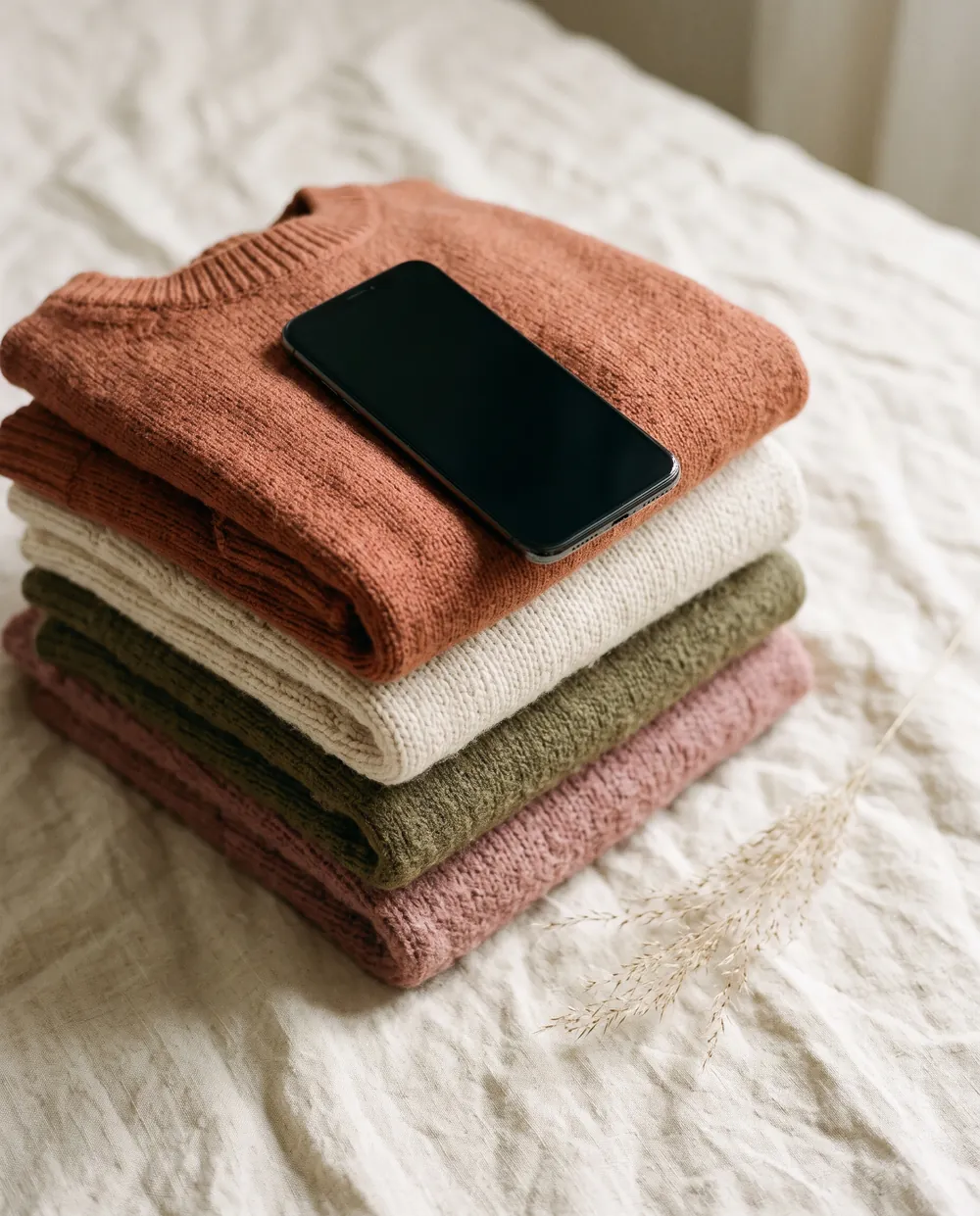
A phone resting face down on folded knitwear.

Your photo is yours.

Seeing your colors live, checking a piece in a shop and lifting a piece off its background all happen on your phone. A photo goes to a model only for a reading or a try-on, and only after you say yes. It is stored encrypted in your account, never sold, never used for ads and never used to train AI. Delete it, or your whole account, whenever you like.
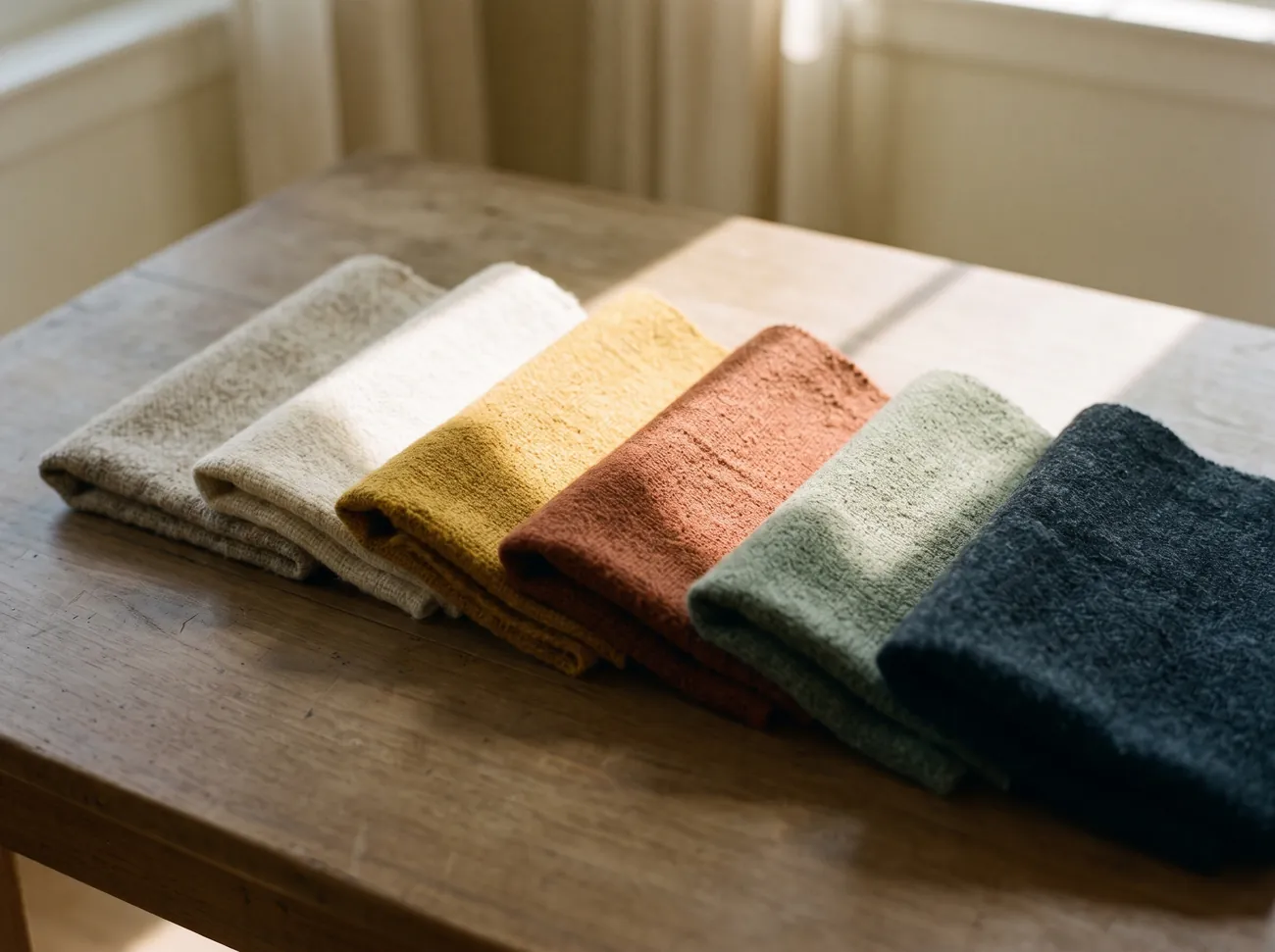

Folded wool swatches lying across a line of sun and shade, each half warm, half cool.

Honest AI.

A reading is a suggestion with its reasons, not a verdict. We say what the AI can’t know: warm lamps and cool shade change how an undertone reads, and a camera never sees color quite the way your eyes do. Every reading the model writes ends with the same tone guard these values come from. And Coloris is for adults: 16 and over.

Why we hold the line

The research, briefly.

These are values calls, not clinical claims. The evidence is mostly qualitative, correlational, or from small trials. It points one way.

  1. A 2025 Dalhousie University study of more than 8,000 looksmaxxing forum comments found the community left many users feeling demoralized and like failures.

    Source · Dalhousie University, 2025

  2. Psychologists warn that a computer’s rating of a face carries an illusion of objective fact, and a 2026 review found AI models reproduce a narrow, often Westernized ideal.

    Source · CU Anschutz; Practical Dermatology, 2026

  3. Comparing yourself with an edited version of yourself is linked to more dysmorphic concern. That is why a try-on never alters the person.

    Source · University of Missouri, 2025

  4. Trials of Expand Your Horizon show that focusing on what a body does, not how it rates, improves how people feel about their appearance.

    Source · Maastricht University

We will get things wrong. When we do, these are what we fix them against.

The Coloris team

Independent, and small on purpose

Write to us: [email protected]

Find the colors
that already suit you.

Your first reading is free: your season and your first three colors, plus three try-ons. No card.

Get it on Google Play
  • No scores
  • Never retouched
  • Private by design
Get it on Google Play
© 2026 Coloris · AI-powered beauty intelligence
Google Play and the Google Play logo are trademarks of Google LLC.